香港——第三届香港巴塞尔艺术展(Art Basel Hong Kong)将于本周日开幕,作为亚洲最热门的当代艺术展会,本届的“热度”明显会有所降低。其实这和该地区整体经济增长放缓关系不大,而是因为展会的日期从闷热的5月调整到了温煦的3月。
但该展会的组织者之所以更改日期,实际上是希望与国际艺术界5月和6月繁忙的展会安排岔开时间,方便收藏家和画廊参加。香港巴塞尔艺术展是巴塞尔三大展会中最年轻的一个,其他两个分别在瑞士和迈阿密海滩举办。改期到3月之后,它就不会和5月的纽约弗里兹展(Frieze)、柏林的画廊周末(Gallery Weekend)以及威尼斯双年展(Venice Biennale)发生时间冲突,更不用说6月的旗舰展会巴塞尔艺术展了。
香港成为国际艺术界成员的顶级目的地的时间还不长。2008年,本地艺术展香港国际艺术展开始举办的时候,该市主要是一个全球性的金融资本中心。随着当代艺术品市场的蓬勃发展,这种状况发生了转变,而巴塞尔艺术展的母公司MCH瑞士展览(巴塞尔)有限公司2011年收购了香港国际艺术展,更是加速了这一转变。(本周六,香港国际艺术展的创办人将举办一个更侧重于亚洲的外围展会,名为香港当代艺术展[Art Central])。
“我认为,我们已经把香港变成了亚洲艺术展会的桥头堡,更大的任务是把重点放在支撑展会的市场上,”斯皮格勒说。
为此,在斯皮格勒和巴塞尔艺术展新上任的亚洲总监黄雅君(Adeline Ooi)的带领下,组织者团队集中精力招募收藏者和博物馆馆长,并把侧重点放在亚太地区。一些知名艺术机构的负责人预计将于今年参会,他们来自于伦敦的英国泰特美术馆(Tate in Britain)、纽约现代艺术博物馆(the Museum of Modern Art, MoMA)、东京的森美术馆(Mori Art Museum)、悉尼的新南威尔士艺术馆(Art Gallery of New South Wales)、台北当代艺术馆,以及定于2018年开业的香港视觉文化博物馆M+。去年,这个活动吸引了6.5万名观众,今年的活动仍然在香港会议展览中心举行。
“这些从没听说过的艺廊和艺术家让大家很感兴趣,”施皮格勒说。“对亚洲藏家来说,尤其如此,因为亚洲不同的艺术圈子一贯是相互脱节的。”
48岁的新加坡藏家戴维·王(David Heng)从香港国际艺术展2008年创办以来就每年前来参会。他说,“这个展会正在变得相当有意思。”他还表示,展会的规模也在扩大,“我们开始看到艺廊送来的作品里头出现了很多重量级的名字。”
香港经销商林明珠(Pear Lam)表示,展会上西方和亚洲艺术家的混搭提供了与藏家开展全新文化对话的机会,而这些藏家习惯的是在艺廊或拍卖会上一次看一两位艺术家的作品。“看待艺术的方式非常不一样,”林明珠说。她刚好在此次活动前在上环开设了自己在香港的第二家艺廊。“但是现在当代艺术这么时髦,所以香港的艺廊文化正在形成,人人都在养成去看艺术展的习惯。”
参加香港巴塞尔艺术展的众多艺术家中,有一位是冉冉上升的中国艺术家曹斐。她的特色是通过多媒体和视频项目来探讨自己的中国人身份。
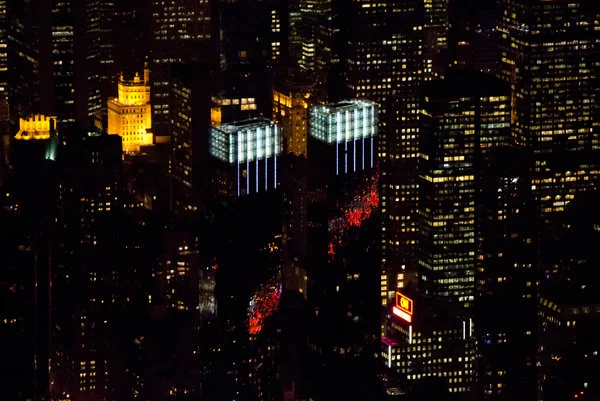
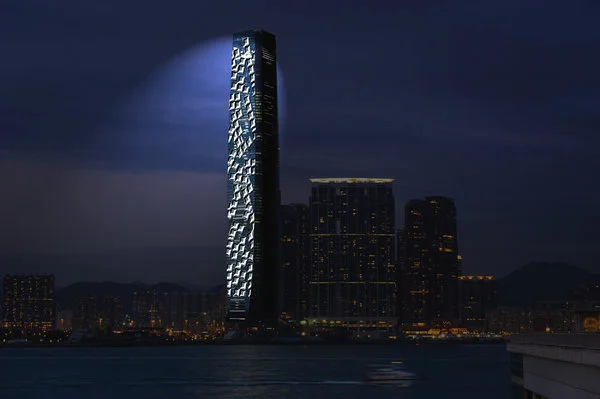
今年,受巴塞尔艺术展委托,曹斐将展示大型视频装置作品《乐旧·图新》(Same Old, Brand New)。它将在香港最高的建筑118层的环球贸易广场的外立面上展示。
这件作品从视频游戏中截取图标,影射年轻人的流行文化,尤其是在高度联网的香港。它将在本周五到下周二的每晚表演,还配有一款智能手机应用供观众下载。
曹斐的作品虽说并不直接带有政治色彩,但它涉及了香港年轻人的文化,不可避免地让人想起近期令香港震荡了数月之久的民主抗议活动。当时,抗议者走上街头,要求公开选举香港行政长官,其中许多参与者是本地年轻人。
“大家都想知道,近期的政治动荡会怎么样来影响艺术圈,”M+的首席策展人郑道炼(Doryun Chong)说。
他还表示:“我的观点实际上是,我们的大环境在改变,而这其实在让事情变得有意思得多。”